
We talk a lot about what we put on our hair and what we eat - but one of the most powerful influences on hair health is something most people overlook entirely: how well we sleep.
Sleep is when the body does its most important repair and regeneration work, and your hair follicles are no exception. If you've been dealing with hair thinning and haven't looked closely at your sleep habits, here's why that's worth changing.
What Happens to Your Hair While You Sleep
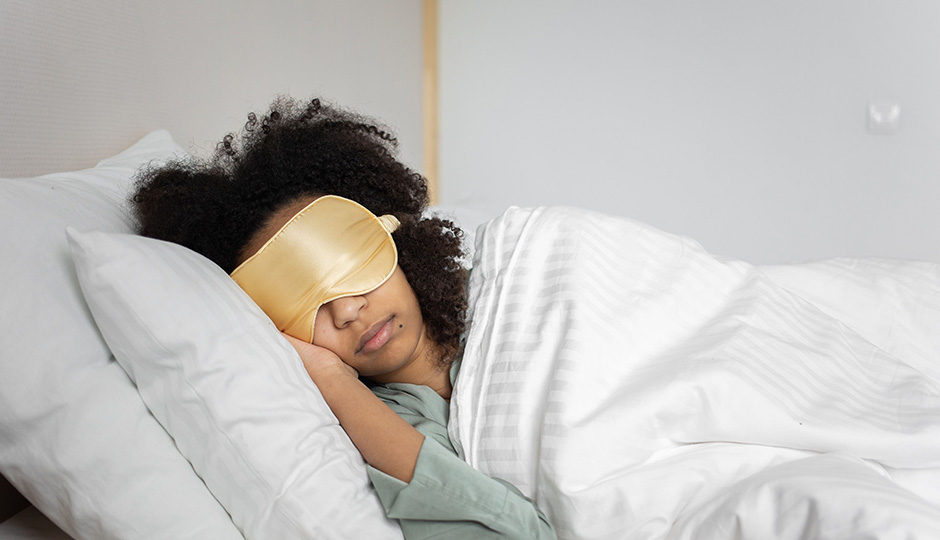
During deep sleep, the body releases human growth hormone - a key driver of cell regeneration and tissue repair, including in the hair follicle. Blood flow to the scalp increases, delivering oxygen and nutrients to follicle cells. The body's stress hormone, cortisol, drops to its lowest levels. In short, sleep is the prime time for follicle recovery and growth cycle support.
How Sleep Deprivation Disrupts Hair Growth
Chronic poor sleep elevates cortisol levels - and elevated cortisol is well established as a contributor to telogen effluvium, the stress-induced form of hair loss where follicles shift prematurely into a resting phase. Sleep deprivation also impairs the immune system, which can increase susceptibility to inflammatory scalp conditions that interfere with healthy hair growth.
How Much Sleep Do You Actually Need?
Most adults need between 7 and 9 hours of quality sleep per night for optimal health - including hair health. It's not just quantity that matters: the quality of sleep, including reaching the deeper restorative stages, is equally important. Fragmented sleep that never reaches deep or REM stages is far less regenerative, even if the total hours look adequate.
Practical Steps for Better Sleep and Better Hair
Consistency matters most: a regular sleep and wake time helps regulate your body's internal clock and improves sleep quality over time. Reducing screen exposure before bed, keeping the bedroom cool and dark, limiting caffeine after early afternoon, and managing stress through exercise or relaxation practices all contribute meaningfully. These changes are gradual but cumulative.
Sleep Is One Piece of the Puzzle
Improving your sleep won't reverse genetic hair loss on its own - but it can meaningfully support the effectiveness of whatever professional treatments you're pursuing. At New Image Hair Clinic, we always consider lifestyle factors as part of a holistic approach to hair wellness. The better your overall foundation, the better your results.
Taking better care of yourself is always a good idea - and if hair loss is a concern, it's worth pairing healthy habits with a professional evaluation. Come in for a FREE Hair and Scalp Analysis at New Image Hair Clinic, serving Pittsburgh and the Tri-State area. Contact us today to schedule.